Exploring the Science of Sustained Nutritional Health
An informational overview of nutritional principles, food groups, and the role of balanced dietary patterns in human well-being — presented without recommendations or commercial intent.
Understand Our ApproachFoundational Knowledge on Nutrition
This resource presents structured, context-driven information on core nutritional concepts — from macronutrients and micronutrients to hydration, cultural food traditions, and the science of digestion. All content is presented in an explanatory, non-prescriptive format.
The Building Blocks of a Balanced Diet
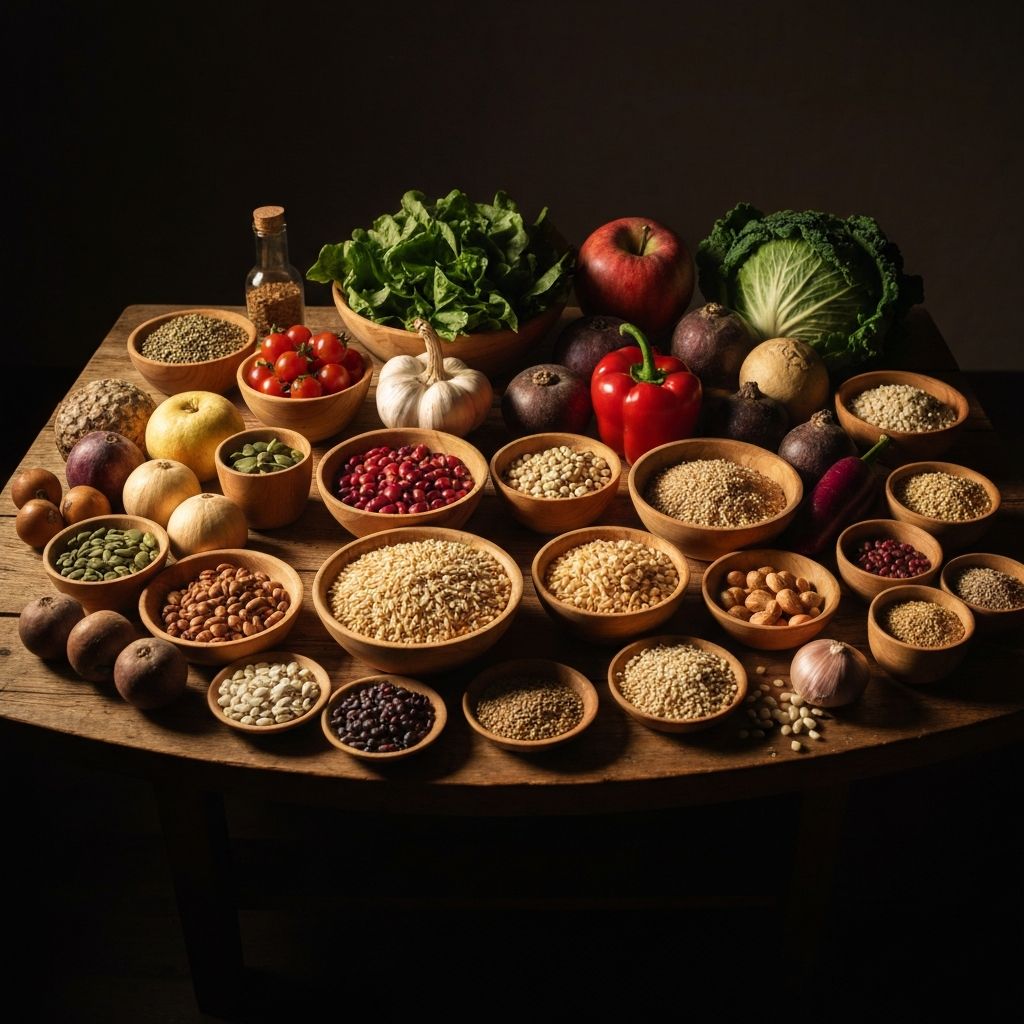
An overview of the primary categories of food and their general roles within nutritional science. Each group represents a distinct class of nutrients that the body utilizes in specific ways.
Grains and Legumes
Cereals, pulses, and starchy foods constitute a broad category of plant-based foods historically central to diets worldwide. They are studied for their carbohydrate, fibre, and protein content.
Fruits and Vegetables
This category encompasses a wide variety of plant foods, ranging from leafy greens and root vegetables to tropical and temperate fruits. They are recognized for their diverse micronutrient profiles.
Proteins
Protein-containing foods include both animal and plant sources. In nutritional science, proteins are studied as chains of amino acids that the body uses for various structural and functional purposes.
Healthy Fats
Dietary fats, found in foods such as nuts, seeds, certain fish, and plant oils, represent a diverse category studied for their roles in energy storage, cell function, and nutrient absorption.
Macronutrients: Fueling the Body
Macronutrients are the three primary categories of nutrients required in substantial quantities by the body. Each fulfils distinct roles and is found across a wide range of food sources.
Carbohydrates
The Primary Energy Source
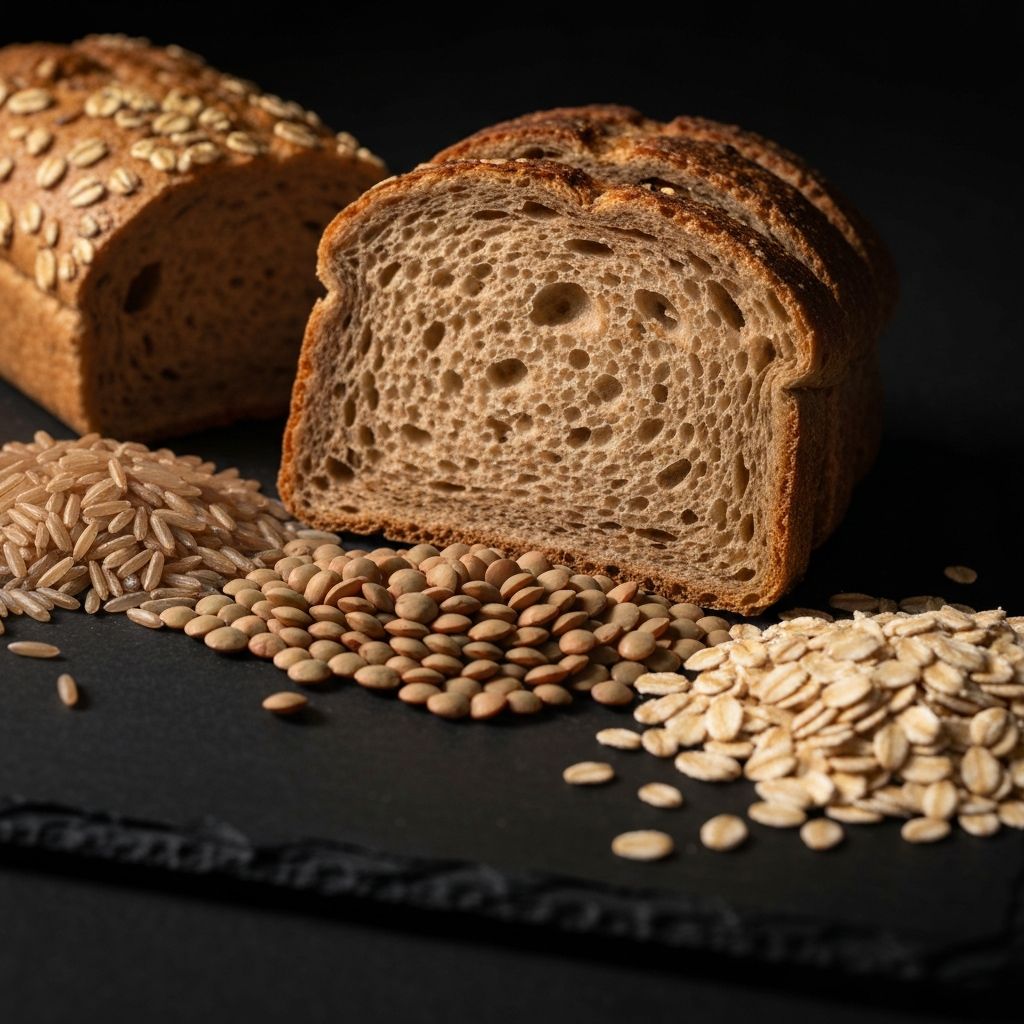
Carbohydrates encompass a broad category of organic molecules — including sugars, starches, and dietary fibre — that are present in a wide variety of plant-based foods. In nutritional science, they are often examined in terms of their structural complexity, which influences how they interact with the digestive system.
Dietary fibre, a form of carbohydrate that the human body does not digest in the conventional sense, has been an important area of study in understanding how food interacts with the gastrointestinal environment. Sources of complex carbohydrates include whole grains, legumes, root vegetables, and various fruits.
Proteins
Structural and Functional Molecules
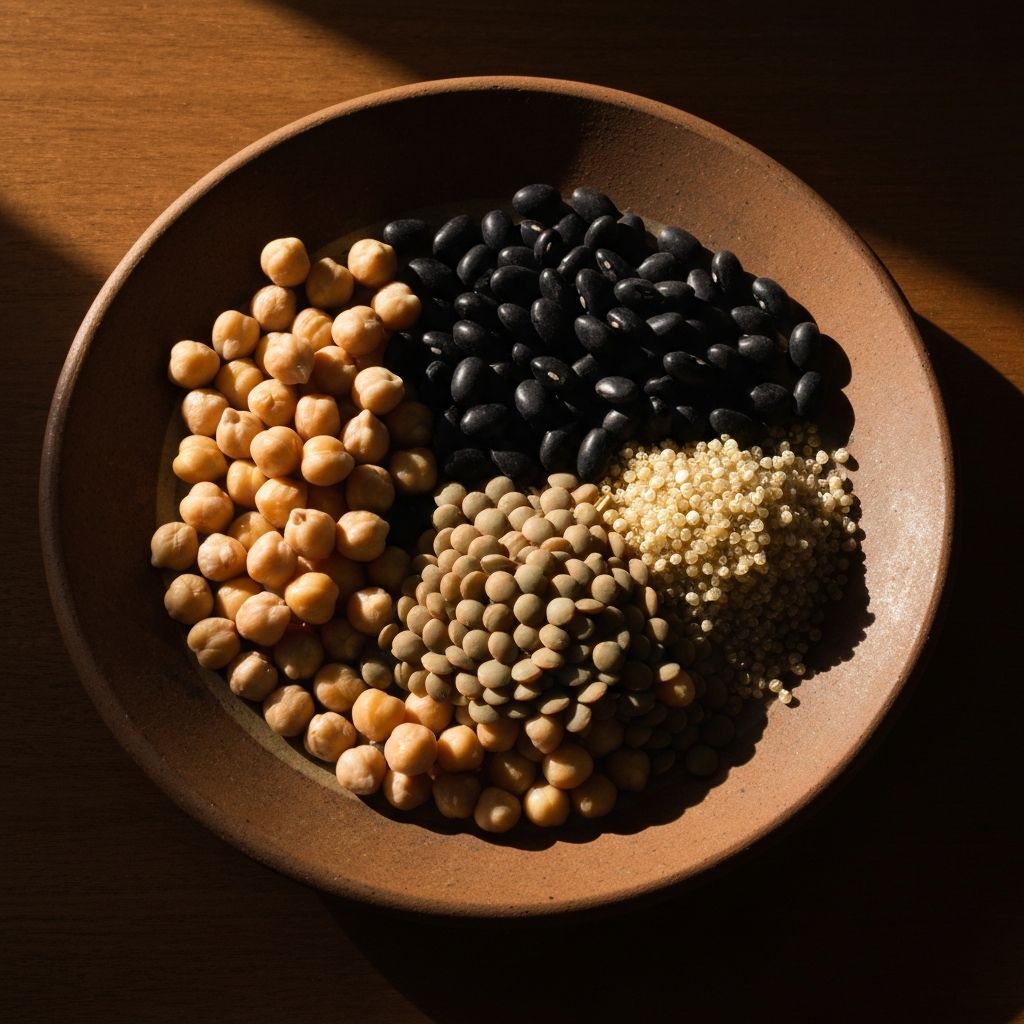
Proteins are large, complex molecules composed of amino acid chains. They are found in both animal-derived foods (such as eggs, fish, and dairy) and plant-derived sources (such as legumes, tofu, and various grains). The study of proteins in nutrition focuses on understanding the variety of amino acids present across different food sources.
Different foods provide different combinations of amino acids, which has been a significant area of study in comparative nutritional science. The concept of amino acid complementarity — how different plant foods together may provide a broader range of amino acids — is often discussed in the context of plant-focused dietary patterns.

Fats
Complex Lipid Structures
Dietary fats are a category of lipid molecules found in numerous foods. Nutritional science categorizes fats broadly by their chemical structure: saturated fats, predominantly from animal sources and some plant oils; and unsaturated fats, found extensively in nuts, seeds, certain fish, and many plant-based oils.
Fat-soluble vitamins (A, D, E, and K) require the presence of dietary fat for absorption. This relationship between fat and micronutrient bioavailability has been a consistent area of study in nutritional biochemistry.
Micronutrients: The Essential Catalysts
Vitamin C
A water-soluble vitamin found in many fruits and vegetables. It functions as an antioxidant and plays roles in collagen synthesis and general immune function studies.
Vitamin D
A fat-soluble vitamin that the body can synthesize upon sun exposure. It is also found in fatty fish and fortified foods. Studied for its roles in calcium metabolism and bone structure.
Vitamin B12
A water-soluble vitamin found almost exclusively in animal products. It is studied in relation to red blood cell formation and neurological function, making it a subject of interest in plant-based diets.
Iron
A mineral present in both animal (haem iron) and plant foods (non-haem iron). Its role in oxygen transport within red blood cells makes it one of the most widely studied minerals in human nutrition.
Calcium
A mineral found in dairy products, leafy greens, and fortified foods. Nutritional research examines its role in bone mineral density and basic cellular functions.
Magnesium
A mineral found in whole grains, nuts, seeds, and leafy vegetables. It participates in a large number of enzymatic reactions studied within nutritional biochemistry.
Zinc
A trace mineral found in legumes, nuts, seeds, and certain animal foods. It is examined in relation to enzyme function, protein synthesis, and immune system studies.
Folate (B9)
A water-soluble B vitamin found in leafy greens, legumes, and fortified grains. Its role in DNA synthesis has made it a focal point of nutritional research, especially in developmental studies.
Potassium
A mineral found in bananas, potatoes, beans, and various other plant foods. It is studied for its role in fluid balance and electrochemical functions within cells.
Vitamin A
A fat-soluble vitamin available as retinol in animal foods and as beta-carotene in orange and green vegetables. Studied in relation to vision, cellular differentiation, and general mucosal function.

Hydration: The Often Overlooked Element
Water is the primary solvent within which virtually all biochemical processes occur. Despite its fundamental importance, hydration is frequently underrepresented in general nutritional discourse.
The human body is composed largely of water, which is involved in temperature regulation, nutrient transport, joint lubrication, and the removal of metabolic by-products. Water intake occurs not only through drinking but also through the consumption of water-rich foods such as cucumbers, tomatoes, and many fruits.
Fluid requirements are understood to vary depending on factors such as environmental temperature, physical activity levels, and individual physiology. Various beverages, herbal infusions, and soups can all contribute to overall fluid intake in addition to plain water.
Electrolytes — minerals such as sodium, potassium, and chloride — are dissolved in body fluids and play roles in maintaining the balance of water across cellular membranes. Their study is an important component of nutritional physiology.
The Journey of Food: From Source to Sustenance
Agricultural Origin
Food begins its journey in agricultural systems — ranging from small-scale subsistence farming to large-scale cultivation. The diversity of agricultural practices across climates and cultures has shaped the range of foods available globally. Soil composition, climate, and farming methods all influence the nutrient profile of crops as they grow.
Harvesting and Post-Harvest Handling
After crops are harvested, they undergo various stages of handling — cleaning, sorting, and storage. Post-harvest handling practices are studied for their influence on the preservation of nutritional properties. Temperature control, moisture management, and timing all play roles in how nutrients are retained during this phase.
Processing and Transformation
Many foods undergo some form of processing between harvest and consumption. This ranges from minimal processing (washing, cutting) to more complex procedures (milling, fermentation, cooking). Fermentation, for example, is an ancient process that alters the chemical composition of foods in ways that have been studied extensively in food science.
Preparation and Cooking
Domestic and professional preparation methods — including boiling, roasting, steaming, and raw preparation — each interact with food's nutritional composition differently. The study of how cooking methods affect bioavailability of specific nutrients is an active area of culinary nutrition research.
Consumption and Digestion
The final stage involves the eating of food and the complex biological processes of digestion and nutrient absorption. The act of eating is not purely physiological — it is deeply embedded in social, cultural, and psychological contexts that have been studied across disciplines from anthropology to nutritional psychology.
Cultural Perspectives on Eating
Food is inseparable from cultural identity. Across the world, communities have developed distinct approaches to growing, preparing, and sharing food — practices shaped by geography, history, belief systems, and available resources.
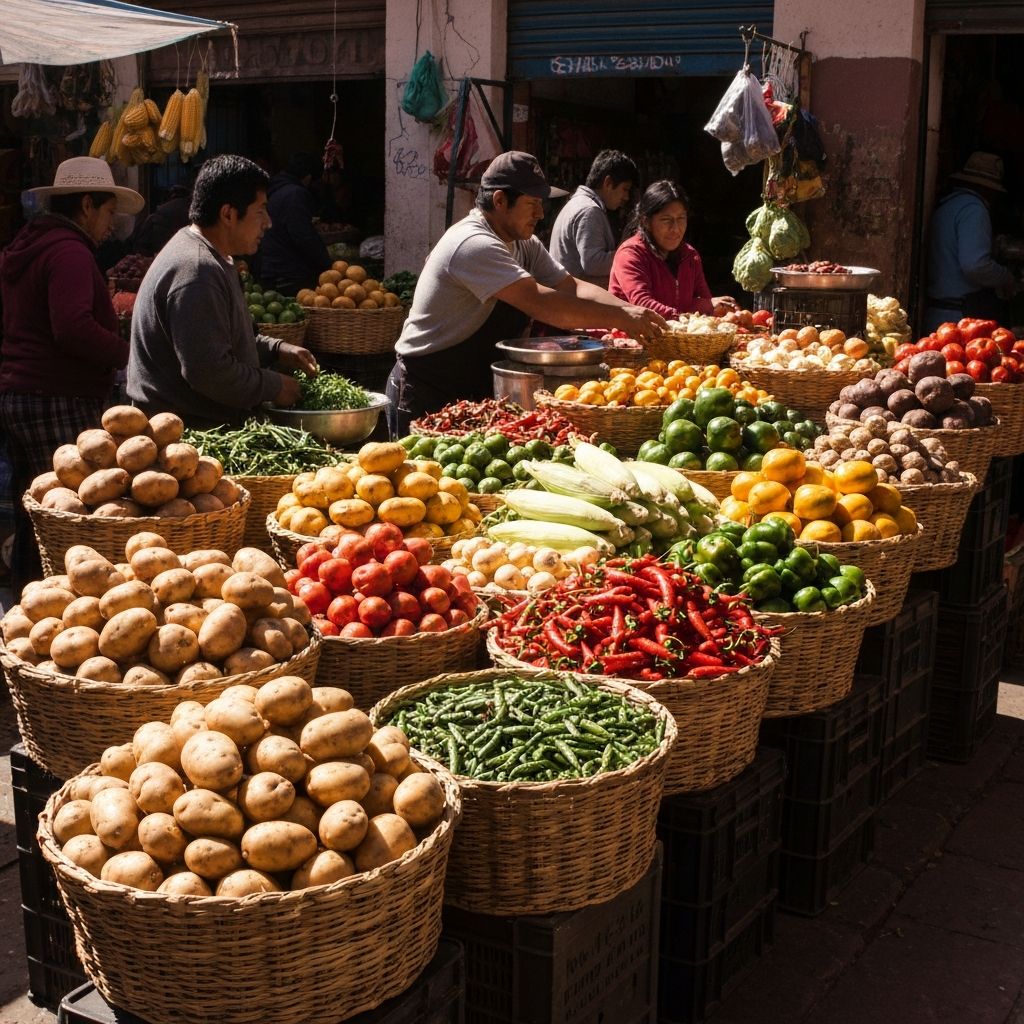

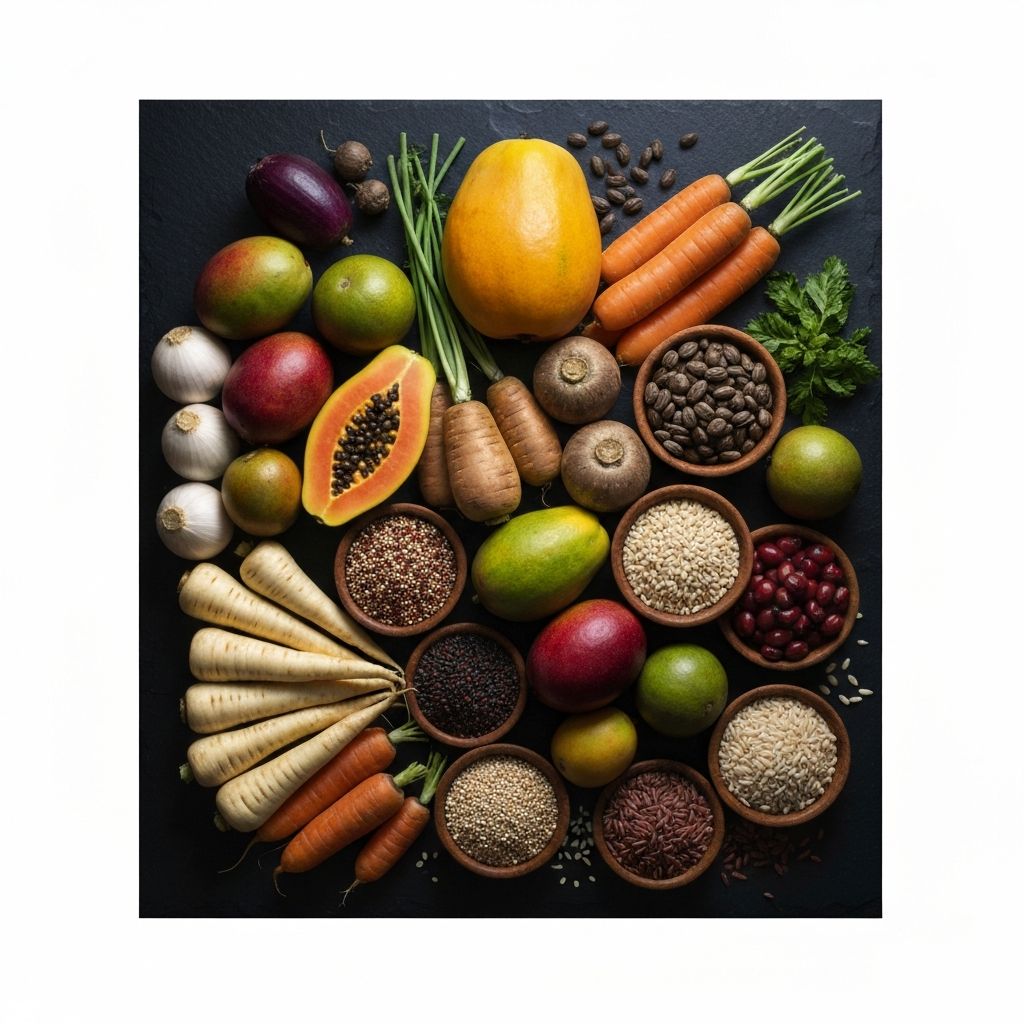
In Peru and across Latin America, food cultures reflect a deep relationship between indigenous agricultural traditions and centuries of cultural exchange. Ancient Andean civilizations cultivated an extraordinary diversity of potato varieties, maize, quinoa, and legumes — many of which have since become subjects of international nutritional research.
In Asian culinary traditions, fermented products such as miso, tempeh, and kimchi represent both a form of food preservation and a complex interaction between microorganisms and raw ingredients. These practices long preceded modern understanding of fermentation biochemistry.
Mediterranean food traditions, rooted in olive cultivation, grain farming, and legume use, have been studied extensively in nutritional epidemiology as examples of traditional dietary patterns with notable characteristics. The communal and seasonal aspects of these traditions are considered integral to understanding them holistically.
Across all cultures, food is a carrier of meaning — rituals, social bonds, seasonal cycles, and historical memory are encoded in culinary traditions in ways that purely nutritional analysis cannot fully capture.
Understanding Dietary Patterns
Rather than focusing on individual foods, nutritional research increasingly examines overall dietary patterns — the characteristic combinations and proportions of foods consumed over time.
Plant-Focused Patterns
Dietary patterns with a predominance of plant-based foods — vegetables, fruits, legumes, nuts, seeds, and whole grains — have been a significant area of study in nutritional epidemiology. These patterns vary considerably in their degree of inclusion of animal products and are practiced for reasons ranging from cultural and environmental to personal preference.
Mediterranean-Inspired Patterns
The term "Mediterranean diet" describes a traditional pattern associated with countries bordering the Mediterranean Sea. Characteristically, it includes high consumption of vegetables, fruits, legumes, whole grains, and olive oil, alongside moderate fish and dairy intake. Researchers have studied this pattern extensively due to its widespread practice across a well-documented geographic region with available historical data.
Traditional Regional Patterns
Many traditional regional diets — including those from Japan, India, West Africa, and pre-colonial Americas — reflect adaptive responses to local ecology and available resources. These patterns often feature high dietary diversity, minimal ultra-processed foods, and strong integration of seasonal and locally sourced ingredients. Their study provides valuable comparative perspectives within global nutritional science.
Contemporary Mixed Patterns
Modern dietary patterns in urbanized societies are often characterized by a mixture of traditional and industrially produced foods. Understanding the compositional shift from traditional to contemporary patterns is a subject of ongoing research in public nutrition.
The Science of Digestion: A Brief Overview
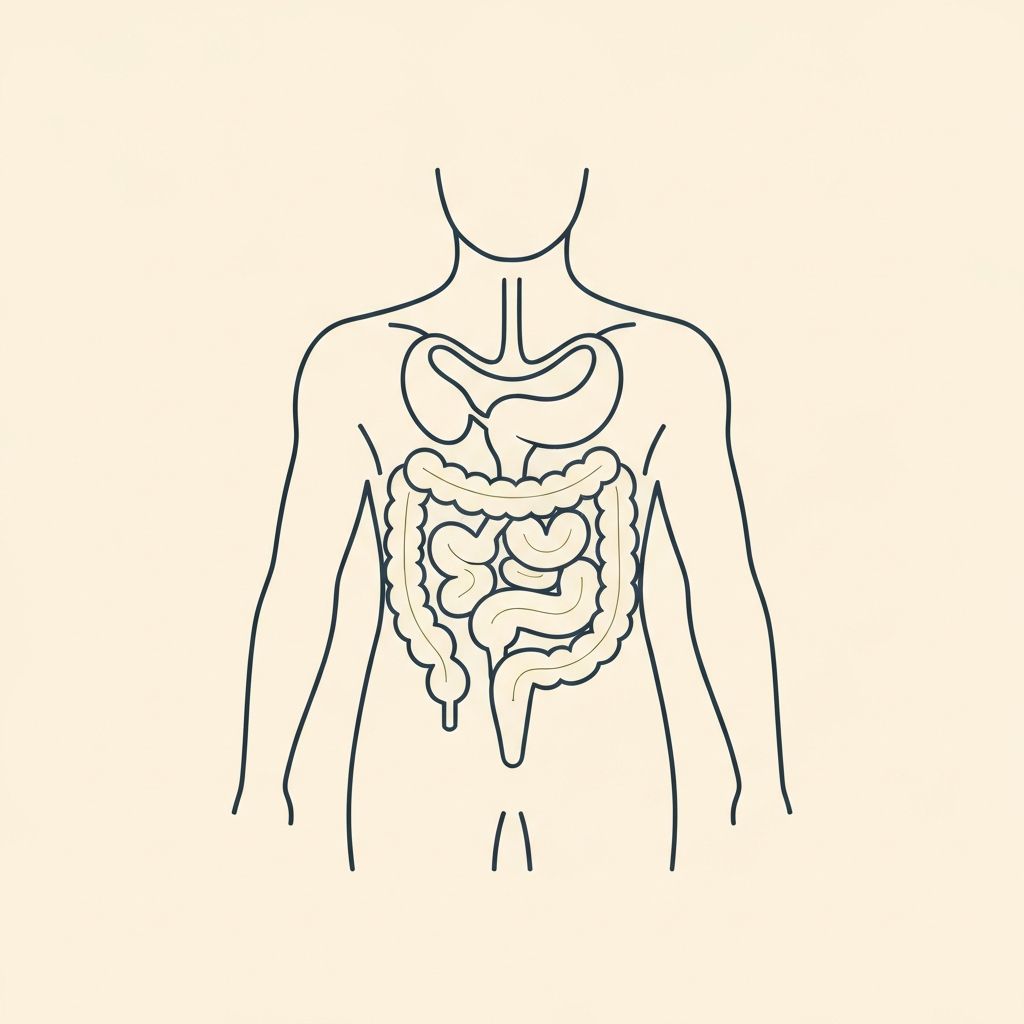
Digestion is the biological process through which consumed foods are broken down and nutrients are absorbed into the body. It is a complex, multi-stage process involving multiple organs and biochemical processes.
Key Stages in the Digestive Process
The digestive process begins in the mouth, where mechanical breakdown through chewing and initial enzymatic activity via saliva begins to transform food. This process continues in the stomach, where acidic conditions and muscular contractions further reduce food to a semi-liquid form.
The small intestine is the primary site of nutrient absorption. Here, digestive enzymes from the pancreas, bile from the liver, and the absorptive surface of the intestinal lining work together to extract macronutrients and many micronutrients from digested food.
The large intestine reabsorbs water and electrolytes, while also housing a complex community of microorganisms — the gut microbiota — that interact with undigested food components, including dietary fibre. The study of the gut microbiota has become a prominent field within nutritional research over recent decades.
Sustainable Food Practices
The relationship between food systems and environmental sustainability has become an increasingly important dimension of nutritional discourse. Understanding how food is produced, distributed, and consumed has implications that extend beyond individual nutrition.
- Seasonality: Foods grown and consumed within their natural seasonal cycles require less energy-intensive production methods. Seasonal eating is studied as both a nutritional and environmental consideration, with seasonal produce often reflecting peak harvest conditions.
- Local Sourcing: The concept of local sourcing refers to prioritizing foods produced within a geographically proximate region. This practice has implications for supply chain transparency, post-harvest freshness, and the economic vitality of local agricultural communities.
- Minimizing Food Waste: Food loss and waste represent both a nutritional and environmental concern. Understanding how to utilize whole ingredients, including skins, stems, and seeds where appropriate, is an area of growing interest in culinary sustainability studies.
- Diversity in Food Selection: Maintaining diversity in the range of foods consumed reflects both nutritional completeness and a form of cultural and ecological stewardship. Agricultural biodiversity is studied as a factor in the resilience of food systems globally.
- Understanding Food Provenance: Knowledge of where and how food is produced — including farming methods, supply chains, and labour practices — is an important component of informed food literacy.
Glossary of Nutritional Terms
A reference collection of key terms used throughout this resource, presented with concise definitions for contextual clarity.
| Term | Definition |
|---|---|
| Macronutrient | A nutrient required by the body in relatively large quantities. Carbohydrates, proteins, and fats are the three primary macronutrients studied in nutritional science. |
| Micronutrient | A nutrient required in smaller quantities, including vitamins and minerals. Despite being needed in small amounts, micronutrients perform essential functions in numerous biological processes. |
| Bioavailability | The extent to which a nutrient present in food can be absorbed and utilized by the body. Bioavailability is influenced by the form of the nutrient, the food matrix, and other compounds present in the same meal. |
| Dietary Fibre | A form of carbohydrate that the human digestive system cannot break down via conventional enzymatic processes. Found in whole grains, legumes, fruits, and vegetables, it is studied for its interactions with the gastrointestinal environment. |
| Antioxidant | A compound that can neutralize reactive oxygen species (free radicals) in the body. Many plant foods contain antioxidant compounds, including vitamins C and E, beta-carotene, and various phytochemicals. |
| Phytochemical | A naturally occurring compound found in plants that is not classified as an essential nutrient but has been studied for various biological activities. Examples include polyphenols, flavonoids, and carotenoids. |
| Amino Acid | The building blocks from which proteins are assembled. Of the twenty standard amino acids, nine are considered essential, as the human body cannot synthesize them and must obtain them through food. |
| Gut Microbiota | The complex community of microorganisms residing in the gastrointestinal tract. Their interactions with dietary compounds, particularly dietary fibre and fermented foods, constitute an active area of nutritional research. |
| Electrolyte | A mineral that carries an electrical charge when dissolved in body fluids. Sodium, potassium, and chloride are key electrolytes studied in relation to fluid balance and cellular function. |
| Fermentation | A metabolic process in which microorganisms (bacteria, yeasts, moulds) convert organic compounds — typically carbohydrates — into other substances such as organic acids and gases. Fermentation has been used in food preparation across cultures for millennia. |